Cognitive Closure
Three Part Video Series
An attempt to better understand my feelings towards conversation and the biased perceptions we all carry
Video 1 - Kernel
This video serves as a mixed media experiment. Combining physical stop motion animation and VFX. I used this project as the jumping off point for exploring my facistation with communication and perception.
We follow a singular metal nut that passes through an ambiguous space. It travels more like sound than metal, being heard and respoken, collecting more debris and nonsense as its passed around. Until, it gets back to its original starting point, now a completely unrecognizable object.
Video 2 - PuzzCast
In my second video I examined how arguments arise from false perceptions, further altering our understanding of a relationship with another person through a fake Youtube video. I was inspired by petty internet culture as well as commercial news outlets: emphasizing the idea that someone must always “right” or “wrong”, and the desire to display moral superiority at all times.
I feel that as social media evolves, there’s an increasing pressure to have a stance on every topic under the sun. It feels almost preferable to have a strong opinion with no real evidence than just admitting that you might not have all the answers.
Video 3 - Animal Planet
Animal Planet serves to mimic a certain feeling that comes after staring at a screen for too long, and the tendency to center ones staring towards conflict.
The screens serve to persuade viewers with no remorse. We keep watching because it’s easier to be told what to think than question oneself.
There’s a certain fatigue that happens after diving into the digital hellscape. A desire for simplicity comes after a journey through a cacophony of advertising, political fighting, celebrity drama etc. The transition of the video to white represents that inevitable desire for everything to just go quiet, even if it’s just for a second.
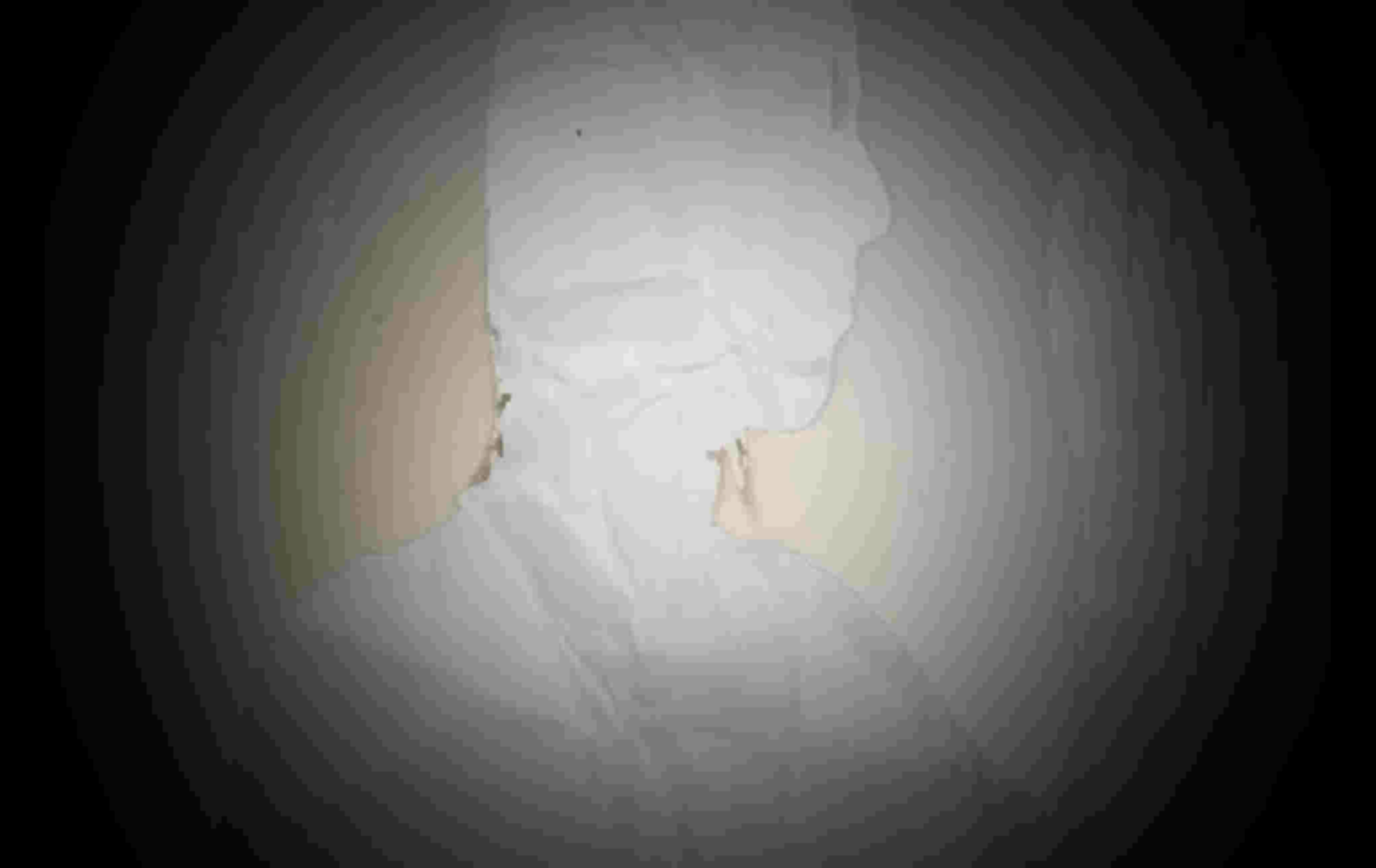
Why humans love watching media that makes us angry, scared and disturbed isn’t a question I seek to answer through this video series. Because frankly, that can be found in any psychology textbook. Rather I’ve found myself having an indescribable feeling of craving nothingness; or maybe a power wash of the brain. Reading a book is probably the best bet, but wouldn’t it be nice if everything around you turned into paper?
This piece serves as a video installation intended for an Experimental Filmmaking course at SCAD. I conceptualized and edited this project in a process that involved experimenting with layering archive video and audio.
Its purpose is to serve as a representation for how overwhelming the digital world can be. Statements are thrown around left and right, all with the belief they are the most pressing topic at any given moment. The screens serve to persuade with no remorse for how the pure influx of media thrown at the public might affect their mental health or worldview. People want to be told what to think because in a digital world full of a million questions of course there must be one answer for all of it. Or so we’d like to think.
The video slowly transforms into a black and white almost sketch like image. There’s a certain fatigue that happens after diving into the digital hellscape. A desire for simplicity comes after a journey through a cacophony of advertising, political fighting, celebrity drama etc. This fatigue and desire for simplicity usually entails putting down the phone or closing the computer and letting your brain breath, whether that be picking up a book, standing outside and squinting your eyes back to reality or just simply staring at a wall. The transition of the video to white represents that inevitable desire for everything to just go quiet, even if its just for a second.